

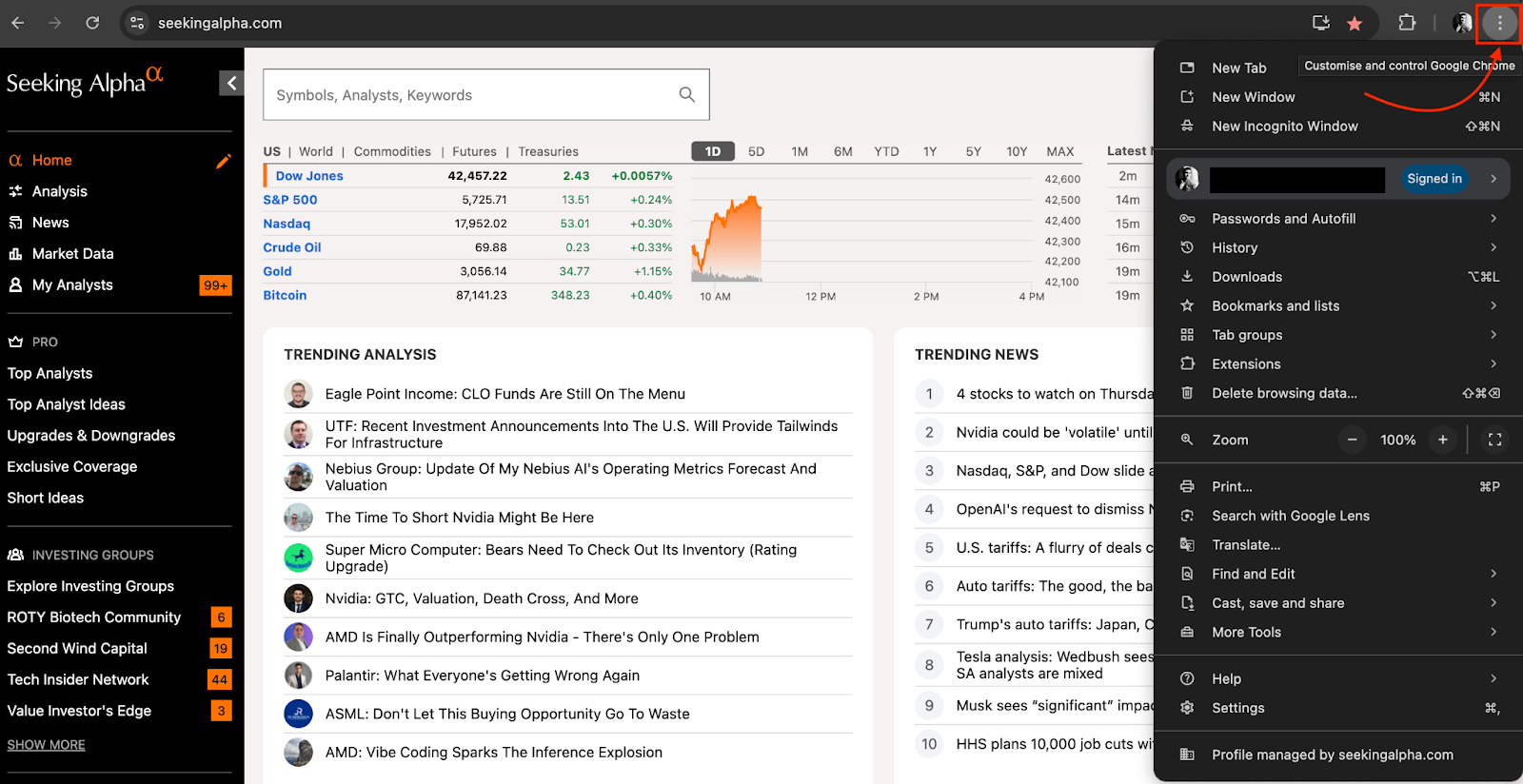
In the fast-paced world of 2026 stock trading, information is everywhere—but actionable insight is rare. For retail investors looking to move beyond basic ticker updates, Seeking Alpha has established itself as a dominant force in investment research. By blending crowdsourced expert analysis with institutional-grade data, it promises to give regular investors the same “edge” once reserved for Wall Street pros.
But with subscription costs rising and new AI-driven competitors entering the fray, is Seeking Alpha still the gold standard? This 2026 review breaks down the features, pricing, and performance to help you decide if it’s the right fit for your portfolio.
Introduction
Seeking Alpha is a massive content and data ecosystem designed to help self-directed investors find profitable stock ideas. Unlike traditional news sites that simply report on market movements, Seeking Alpha focuses on the “why” through thousands of monthly articles written by professional buy-side and sell-side analysts, fund managers, and seasoned retail experts.
Originally gaining popularity as a blog-style forum, it has evolved into a sophisticated fintech platform. Today, it is best known for its Quant Ratings, a proprietary algorithmic system that evaluates stocks based on objective data rather than just human opinion. It is designed for investors who want a blend of deep-dive narrative research and high-tech screening tools.
What Is Seeking Alpha?
Seeking Alpha is a comprehensive financial analysis platform that covers stocks, ETFs, mutual funds, and even commodities. According to Investopedia, it is one of the largest investing communities in the world, serving millions of users who range from casual beginners to full-time traders.
Platform Purpose
The platform’s primary goal is to provide “Alpha”—a term used in finance to describe an investment’s ability to beat the market. It achieves this by providing:
- Crowdsourced Analysis: Over 10,000 contributing authors provide “Bull” and “Bear” cases, ensuring you see both sides of a trade.
- Data Accuracy: It pulls financial data from world-class providers, ensuring its screeners and statements are institutional-grade.
- Sentiment Tracking: It tracks how Wall Street analysts, Seeking Alpha authors, and the Quant system all feel about a single stock simultaneously.
Key Features
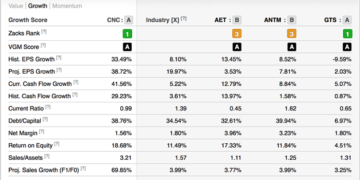
- Quant Ratings – An automated grading system (1.0 to 5.0) that evaluates stocks on Value, Growth, Profitability, Momentum, and Revisions.
- Stock & ETF Screeners – Powerful filters that allow you to sort thousands of securities based on specific financial metrics or proprietary “Strong Buy” ratings.
- Alpha Picks – A premium selection service (often sold as a separate add-on) that provides two high-conviction stock picks every month.
- Earnings Transcripts & Audio – One of the best repositories for searchable earnings call transcripts, including 10+ years of historical data.
- Portfolio Health Check – Synchronize your brokerage account (via Plaid) to receive instant alerts on rating changes or news affecting your specific holdings.
- Dividend Grades – A specialized tool for income investors that rates dividend safety, growth, and yield.
Pros (Advantages)
✔ Proven Performance – The “Strong Buy” Quant ratings have historically outperformed the S&P 500 by a significant margin.
✔ Diverse Perspectives – You can read multiple perspectives on a single stock, preventing “confirmation bias” in your research.
✔ Institutional Tools for Retail Prices – Features like the “Factor Grades” offer data analysis that would normally cost thousands on a Bloomberg Terminal.
✔ Global Coverage – Excellent research on international stocks and small-cap companies that are often ignored by big banks.
Cons (Disadvantages)
✖ No Refunds – Seeking Alpha is notorious for its strict no-refund policy, even if you forget to cancel a trial.
✖ Aggressive Upselling – Users are often bombarded with emails and pop-ups pushing more expensive tiers like “Alpha Picks” or “PRO.”
✖ Variable Content Quality – Because content is crowdsourced, some articles are significantly more professional and well-researched than others.
Key Points Summary
- Best For: Long-term “buy and hold” investors and dividend seekers.
- Top Tool: Quant Rating System (Strong Buy/Buy/Hold/Sell).
- Price: Premium typically costs $299/year, though first-year discounts are common.
- Performance: Seeking Alpha’s top-rated picks have consistently beaten the market over the last 3–5 years.
Comparison Section
When choosing a research tool, it’s important to see where Seeking Alpha sits relative to its main competitors:
| Feature | Seeking Alpha | Yahoo Finance | Finviz |
| Best For | Narrative & Quant Analysis | Casual Tracking & News | Technical Charting & Scanning |
| Stock Ratings | Yes (Proprietary Quant) | Limited (Wall St. Consensus) | None |
| Free Version | Very Limited (News only) | Excellent (Most features free) | Great (Ad-supported) |
| Deep Research | Extensive Expert Articles | Basic News Aggregation | Not Available |
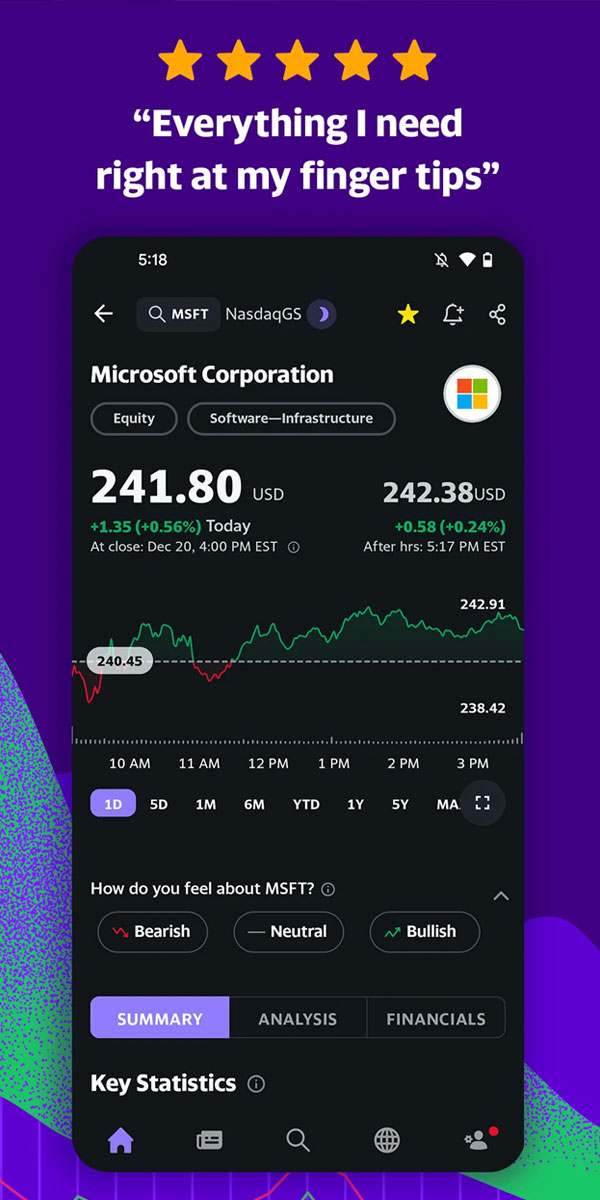
| Mobile App | Premium & High Rated | Good, but ad-heavy | No dedicated app |
FAQ Section
Q1: Is Seeking Alpha free to use?
Technically, there is a free “Basic” plan, but it is very limited. You can read most news headlines, but nearly all in-depth analysis and the Quant Ratings are locked behind a paywall.
Q2: Is Seeking Alpha safe and reliable?
Yes. It is a highly reputable financial platform used by millions. While individual author opinions vary, the data itself is accurate and the Quant system is based on objective financial filings.
Q3: What is the difference between Premium and PRO?
Premium is designed for the individual investor ($299/yr), while PRO ($2,400/yr) is built for professionals. PRO includes “Top Ideas,” a short-idea portal, and a VIP concierge service.
Q4: Can I trust the Quant Ratings?
While no algorithm is perfect, Seeking Alpha’s “Strong Buy” Quant picks have a documented track record of beating the S&P 500 since their inception. However, they should be used as a starting point for research, not a blind “buy” signal.
Conclusion
Seeking Alpha remains one of the most powerful tools in an investor’s arsenal in 2026. If you are a self-directed investor who enjoys doing your own “due diligence” and wants objective data to back up your gut feelings, the Premium subscription is well worth the investment.
However, if you are a passive investor who only buys index funds, or a pure technical trader who only cares about chart patterns, you would likely be better off with a free tool like Yahoo Finance or a technical scanner like Finviz.
Final Rating: 4.7/5
SEO Tags
Seeking Alpha Review, Stock Market Tools 2026, Best Investment Research Sites, Seeking Alpha Quant Ratings, Dividend Growth Stocks